
Home › Parent guides › Fine motor at home
Why little hands start with your patience
When a child’s hands are still learning, buttons, lids and pegs can take a long time. The same is true for our patience. If we are in a hurry, we take over, and they do not get a turn. If we pause first, there is room for them to try.
In our 3P.L.A.Y. approach we call this Being Teachable: we begin with Feel — our own patience — then we step back and “be invisible”, so we do not over-do the task for them. Using their hands is something we practise, one small step at a time. Not ready to do it alone yet is okay.
Sit on your hands first
Try this first, every time: a sip of water, three slow breaths in through the nose with a longer breath out, and shoulders down. Then, if you need to, sit on your hands. Notice: How am I feeling? And only then: What is the one small job my child can try right now?
You can do this in the kitchen, at the table or by the door, before you hand over a lid, a peg or a piece of paper. The more often you practise it on easy days, the easier it is to find when you are in a hurry.
Fine motor activities at home
Begin with your own pause
Sit on your hands first
A sip of water, three slow breaths and shoulders down, before you step in. Your patience gives them room to try.Pegs on a box
Put a small box on the table and a handful of clothes pegs. Let them clip the pegs onto the edge, one at a time. Stay nearby, but do not clip them on for them.
Tearing paper for a collage
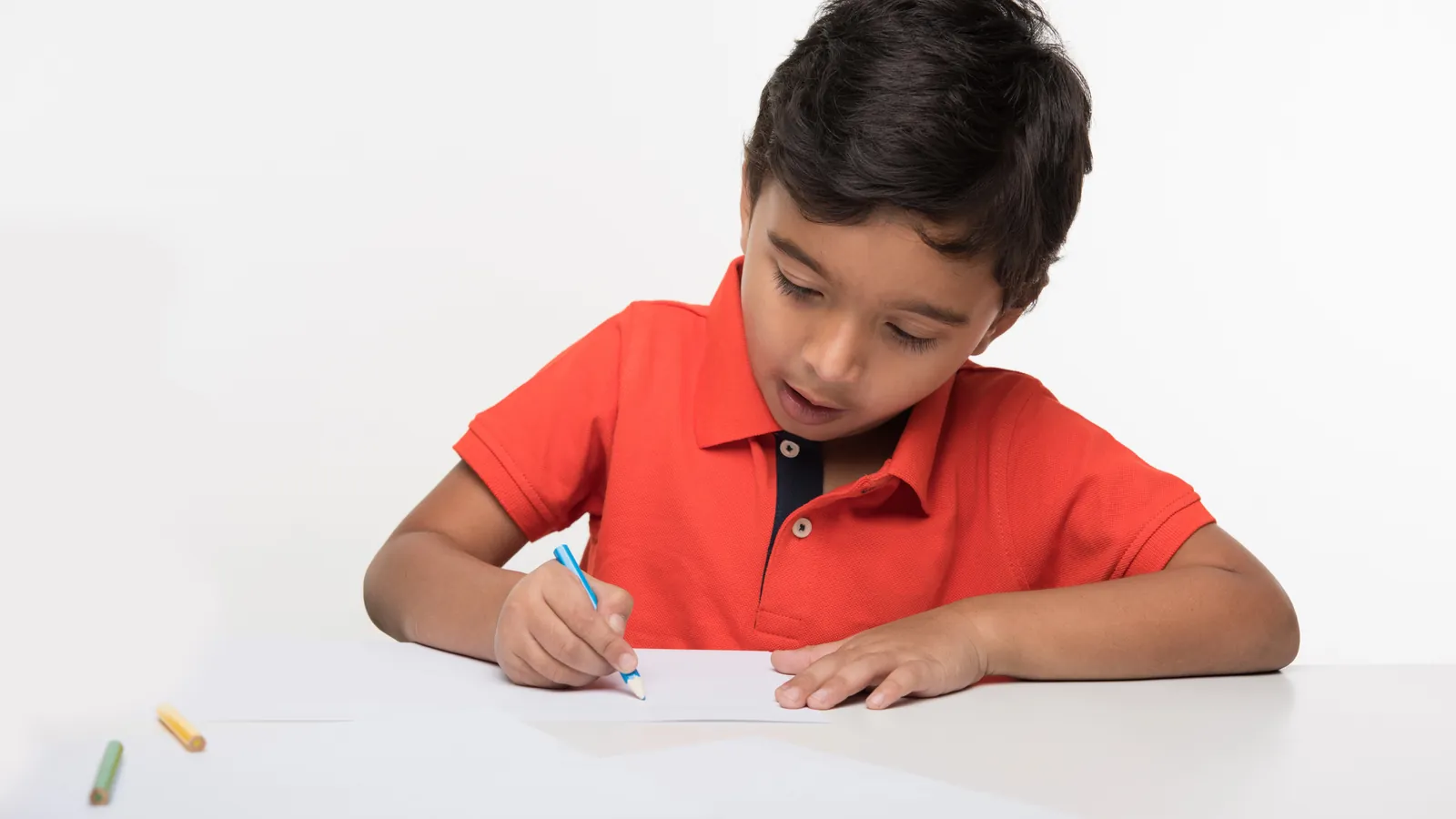
Give them a sheet of paper and let them tear it into pieces for a collage. Torn edges are part of the work. You can set out the glue when they are ready, and let their hands do the tearing.
Play dough
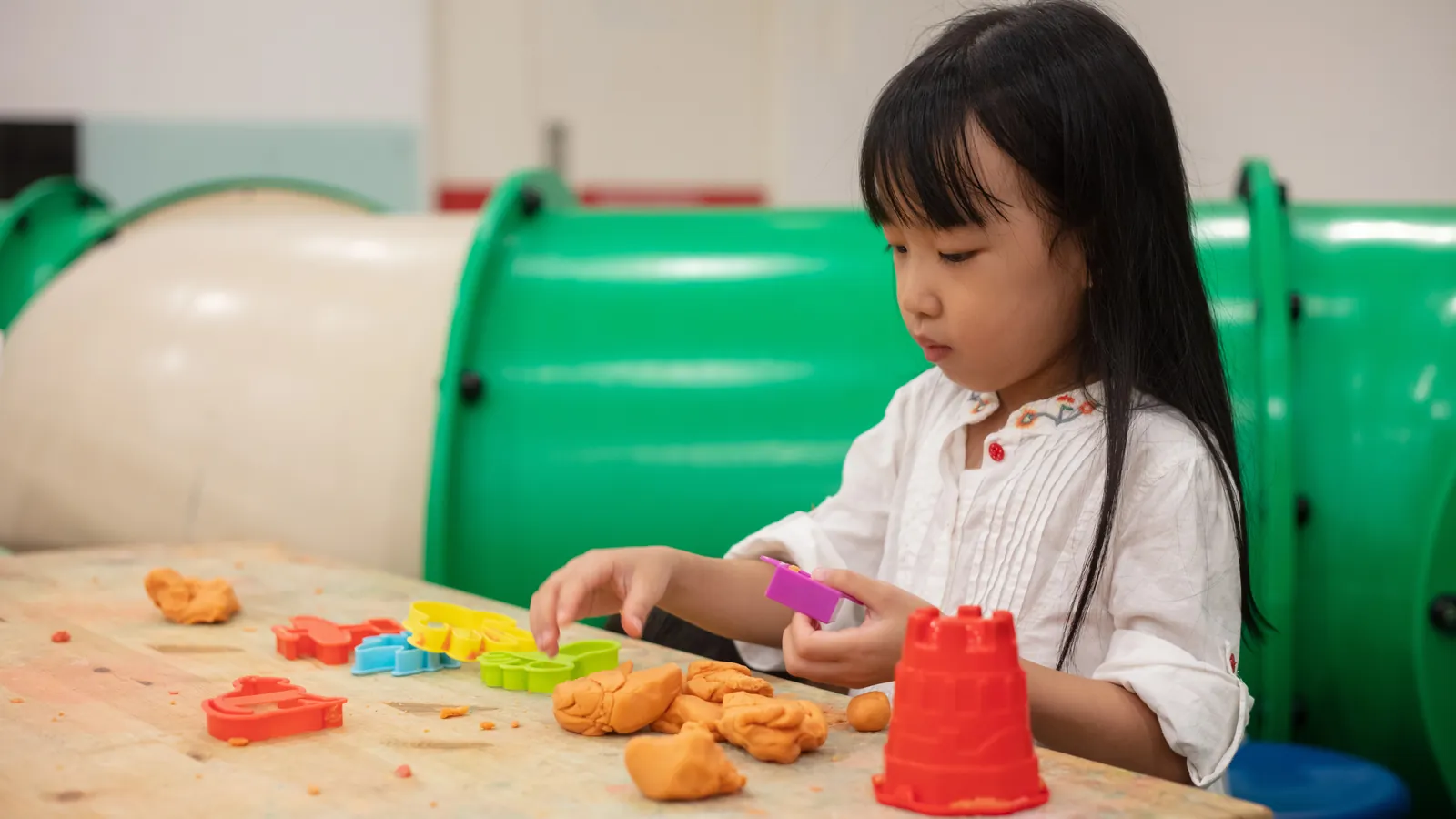
A lump of play dough on a clear table is enough: squeeze, roll and pinch. Stay close, but keep your hands still.
Opening containers
Hand over a snack box, a bottle cap or a play-dough tub, and give them time to open it. If it is still hard, loosen it a little, then hand it back. Doing it for them can wait.
Let them do it, even when it’s slower
Picture a busy morning: you are already late, the lid will not turn, and you are tempted to open it for them, or to clip the pegs on yourself. Here is the order that helps:
- First you: one slow breath, shoulders down. Sit on your hands if you need to. You do not need to hurry their hands along.
- Then one small job: choose one thing — pegs on a box, tearing paper, play dough, or opening a container — and hand it over. Stay nearby, but do not do it for them.
- Time to try: wait a little longer than feels comfortable. If they ask for help, loosen the lid or start one peg, then let them finish.
- Words later: if it is still hard, a simple line is enough: “That was a good try. We’ll try again later.” Not ready to do it alone yet is okay.
Looking behind the behaviour often shows that the job was too hard, or that we stepped in too soon, or that they needed more time. That is a teachable moment, and a chance to notice the small improvement — Yeah!
When the last week of school is full
Pause and plan
In the last week of the school year, days can feel fuller and evenings can run late. Keep it light: a tired child may find small jobs with their hands harder, and it is tempting to do those jobs for them.
- Keep a few anchors steady: wake time, meal times and a simple bedtime routine, even when the week runs late.
- Protect a short, quiet window: even ten minutes at a clear table, with one small job, can be enough on a busy day.
- Choose one easy job: pegs, tearing paper, play dough or a lid they can already almost open.
- Share the load: take turns with another adult when you can, and ask for help early.
After a hurried moment
Breathe out first
Be kind to yourself. If you sat on your hands and let them try, notice it. If you stepped in and did it for them, that is a teachable moment too. Restore connection with a hug, a smile or a simple “That was a lot. We’ll try again next time,” and try again.
Not ready to do it alone yet is okay. This is something we practise, one small step at a time, together. When you see a small improvement — a peg that stays on, a lid that turns — notice it. Yeah!
Quick answers
I am always in a hurry. How do I let them do it when it is slower?
Start with your own pause, and sit on your hands if you need to. Then hand over one small job, and wait a little longer than feels comfortable. Stay nearby, but do not do it for them. If they ask for help, loosen the lid or start one peg, then let them finish. Not ready to do it alone yet is okay.
What if my child’s hands are not ready for pegs or lids yet?
They may not be ready for that job yet. Begin with your own pause, then choose an easier job: squeezing play dough, or tearing paper into large pieces. Stay close, and give them time. If it is still hard, shorten the job again. We will support you to practise this small step.
Where can I learn more?
Ask our team at the centre, or in a Parent Consulting Meeting (PCM). We will practise these steps with you. You can also learn skills for everyday life at home in our 3P.L.A.Y. classes or in Breakthru Academy training on empwr2u.com.
Skills you can learn with us
In our 3P.L.A.Y. approach we practise Being Teachable: begin with Feel, then step back so your child can try. You can learn this, and other skills for everyday life at home, in our 3P.L.A.Y. classes, or in Breakthru Academy training on empwr2u.com. Breakthru Academy is an HRD Corp-registered training provider.